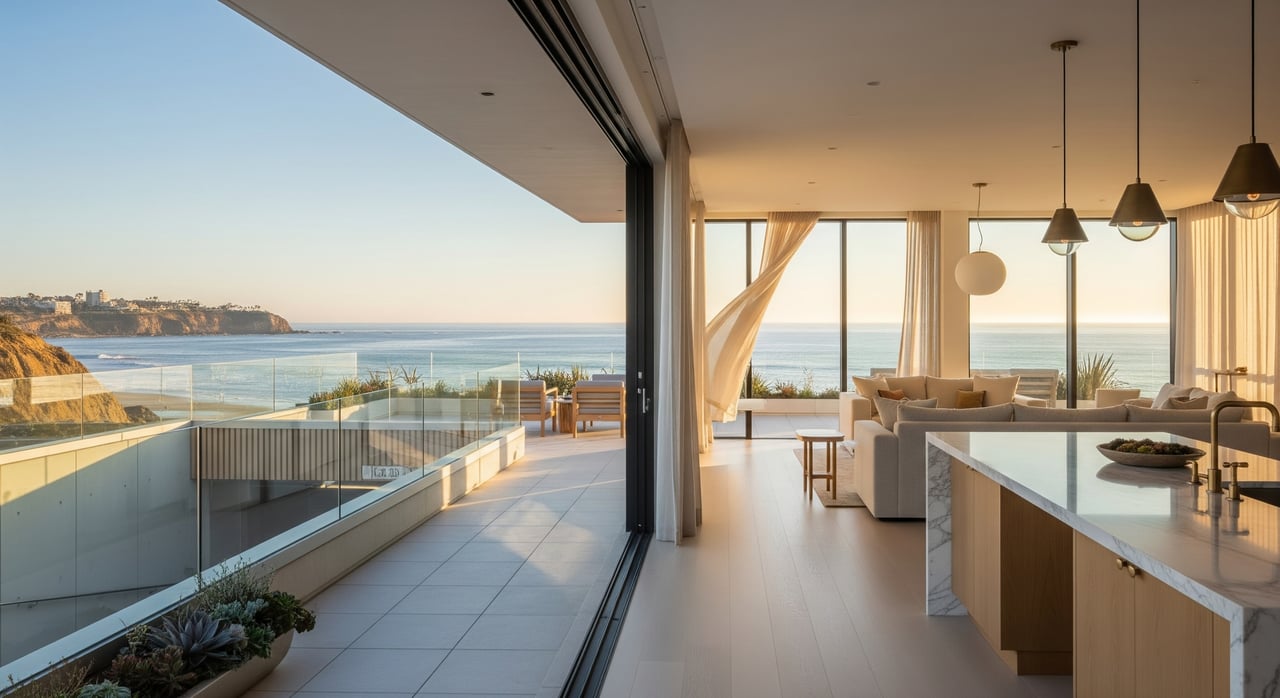
Dreaming of ocean views in Solana Beach? Before you fall in love with a balcony sunset, make sure the numbers and rules work for you. HOA fees, parking realities, and coastal permits can shape your monthly costs, lifestyle, and renovation plans. This guide gives you a clear checklist so you can compare buildings with confidence and avoid surprises. Let’s dive in.
What HOA fees cover
Your monthly HOA fee pays for shared upkeep and essential services that keep the community running. In Solana Beach condos, that usually includes common-area maintenance, building systems, and utilities that are master-metered.
Typical line items
- Common-area maintenance and repairs, including exterior paint, roofing, sidewalks, and landscaping
- Building systems and services such as elevators and HVAC in common areas
- Master-metered utilities like water, sewer, trash, and sometimes gas or electric
- Master insurance for the building structure, plus management, accounting, and legal
- Reserve fund contributions for future capital repairs and replacements
- Amenity operations such as pool, gym, gate, security, landscaping, and sometimes bulk cable or internet
What drives fees up
- Building age and construction type, which can increase repair needs
- Coastal exposure, where salt air accelerates corrosion of balconies, railings, and metal components
- Proximity to bluffs or the shoreline, which may bring higher insurance or mitigation costs
- Amenities that add operating costs, such as elevators, garages, and concierge
- Insurance history and litigation, which can raise premiums and legal expenses
- Reserve funding gaps that lead to special assessments when major work is due
Red flags to watch
- Low reserve funding versus the replacement needs in the latest reserve study
- Recent or pending special assessments, or a pattern of frequent assessments
- High delinquency rates among owners that can strain cash flow
- Ongoing litigation involving the association
- Major deferred maintenance without a funded plan or timeline
Parking realities near the beach
Parking is often tighter in beach-close buildings. The details live in the recorded documents and the HOA rules, so verify early.
How spaces are assigned
- Parking can be deeded, assigned by the HOA, or first-come based on the development
- Recorded plats or exhibits often show exact stall locations and numbers
- Some older or dense buildings use compact or tandem spaces that limit vehicle size
Guest and street parking
- Visitor stalls may be limited and time-restricted by the HOA
- On-street parking near the beach can have time limits or seasonal rules enforced by the City
- City codes often restrict oversized or commercial vehicles in residential areas
EV charging in older buildings
- Many older condos lack in-garage or common-area charging infrastructure
- Owner-installed charging typically requires HOA approval and electrical work
- California law supports owner charging rights in common interest developments, but processes, costs, and conditions vary by HOA
Coastal rules and permits to know
Solana Beach sits within the California coastal zone, which comes with unique rules to protect coastal resources and public access.
When a Coastal Development Permit applies
- Exterior changes such as balcony work, new railings, decks on bluffs, or seawalls often need local permits and a Coastal Development Permit
- Some projects may be appealed to the state level depending on scope and location
Bluff and sea-level risks
- Buildings near coastal bluffs must consider erosion and cliff stability
- Determine whether the building sits on or seaward of a bluff and whether bluff setbacks apply
- Policies often limit hard shoreline protection and do not guarantee future seawalls or revetments
Flood risk and insurance basics
- Proximity to the ocean may put property within FEMA flood zones
- Check flood insurance requirements and availability through NFIP and private carriers
- Review the association’s master policy, coverage limits, deductibles, and exclusions
Your due diligence checklist
Use this checklist to compare buildings, budgets, and risks before you commit.
HOA and financial documents
- CC&Rs, Bylaws, Articles, and recorded parking or easement exhibits
- Current annual budget, financial statements, and reserve balances
- Latest reserve study and funding plan
- Board meeting minutes from the past 12 to 24 months
- Assessment delinquency report and history of special assessments
- Master insurance declarations and any exclusions
- Management contract and vendor agreements for major services
- Litigation disclosures and legal counsel contact
- Rules and regulations, including leasing, short-term rental, pet, parking, and architectural guidelines
Property and coastal records
- Structural, engineering, roofing, balcony, or moisture reports
- Copies of relevant Coastal Development Permits for the building or adjacent properties
- Geotechnical, bluff, grading, or slope stability studies for bluff-adjacent sites
- FEMA flood determinations and any flood insurance policy history
- City notices or code enforcement records
- Environmental reports if available
Inspections and specialists
- General home inspection for the unit interior
- Structural or building envelope evaluation, especially for ocean-exposed buildings
- Geotechnical or coastal engineer review if the building is on or near a bluff
- Targeted mold or moisture testing if there is evidence of intrusion
- Insurance quotes for any required flood or supplemental hazard coverage
Financing and negotiation tips
- Confirm your lender’s HOA requirements, including reserve adequacy, litigation status, and occupancy ratios
- Build in contingencies for HOA document review, inspections, and financing
- Request complete resale disclosures early so you have time to review and ask follow-up questions
- If you plan exterior changes, consult the City about Coastal Development Permit timelines before you remove contingencies
Smart comparison framework
When you compare two beach-close buildings, look at:
- Monthly HOA fee and which utilities it covers
- Reserve fund per unit and the date of the last reserve study
- Parking count, stall size, and whether spaces are deeded or assigned
- History of special assessments and planned capital projects
- Proximity to bluffs or the shoreline and any relevant reports or permits on file
Red flags that warrant caution
- Missing or outdated reserve study, or large unfunded liabilities
- Unclear recorded parking allocations, easements, or restrictions
- Active litigation about structural defects or developer claims
- Frequent special assessments without a long-term plan
- Buildings directly seaward of a bluff with no geotechnical evaluation on record
- City code enforcement actions or repeat violations in board minutes
Next steps
- Request the HOA resale package and core documents right away
- Schedule a unit inspection and, if applicable, structural and geotechnical evaluations
- Obtain FEMA flood determinations and quotes for flood or supplemental coverage
- Confirm parking assignments in recorded documents and ask the City about nearby street or permit parking programs
- If you plan renovations, talk with the City about coastal permitting and expected timelines before you finalize your offer
Buying a condo in Solana Beach is a balance of lifestyle and diligence. With the right documents, inspections, and permit planning, you can enjoy the coast while protecting your budget and timeline. If you want a local, bilingual guide to navigate HOA health, parking, and coastal rules, connect with RealtyTeamRebecca for a friendly, strategic consultation.
FAQs
What do HOA fees usually include for Solana Beach condos?
- They typically cover common-area upkeep, building systems, master-metered utilities, master insurance, management, reserves, and amenity operations.
How does parking work in beach-close Solana Beach condos?
- Spaces may be deeded, assigned, or first-come and are often shown on recorded exhibits, with guest parking limited or time-restricted by HOA rules.
Do I need a Coastal Development Permit to renovate?
- Many exterior changes near the coast, such as balcony work or bluff-adjacent improvements, require local permits and often a Coastal Development Permit.
Are bluff-top condos safe to buy in Solana Beach?
- Safety depends on site conditions and maintenance; review geotechnical and bluff reports, past permits, and get expert evaluations where bluff proximity is significant.
Will I need flood insurance for a Solana Beach condo?
- It depends on FEMA flood zone mapping and lender requirements; check the building’s flood determination and get quotes from NFIP and private carriers.
Can I install an EV charger in my condo parking space?
- California supports owner charging rights in common interest communities, but you still need HOA approval and must follow the association’s process and standards.